


For generations, farming has been built on resilience – the ability to adapt to seasons, markets, technology and change. But today’s pressures are unlike anything before.
Rising costs, volatile commodity prices, climate uncertainty and succession challenges are forcing many farming families to rethink not only how they operate, but how they secure their future. Future-proofing a farm is no longer just about improving production; it’s about protecting a legacy.
Across rural communities, a quiet shift is underway. Farmers are beginning to view their land not only as a place of production, but as an asset with untapped potential – one that can support diversified income streams, reduce financial risk and create opportunities for the next generation.
From agritourism and accommodation ventures to renewable energy projects, niche products and value-added experiences, innovation is becoming just as important as tradition.
For many families, the motivation runs deeper than profit. It’s about ensuring children and grandchildren have options – the freedom to remain connected to the land without being constrained by the economic pressures that have historically defined farming life.
By exploring new ways to monetise their properties, farmers are not abandoning heritage; they are strengthening it, creating modern pathways that honour the past while securing the future.
The farms that thrive in the decades ahead will likely be those that balance tradition with entrepreneurship, where legacy isn’t measured solely in hectares or stock numbers, but in sustainability, adaptability and opportunity for generations still to come.
Family traditions rewritten
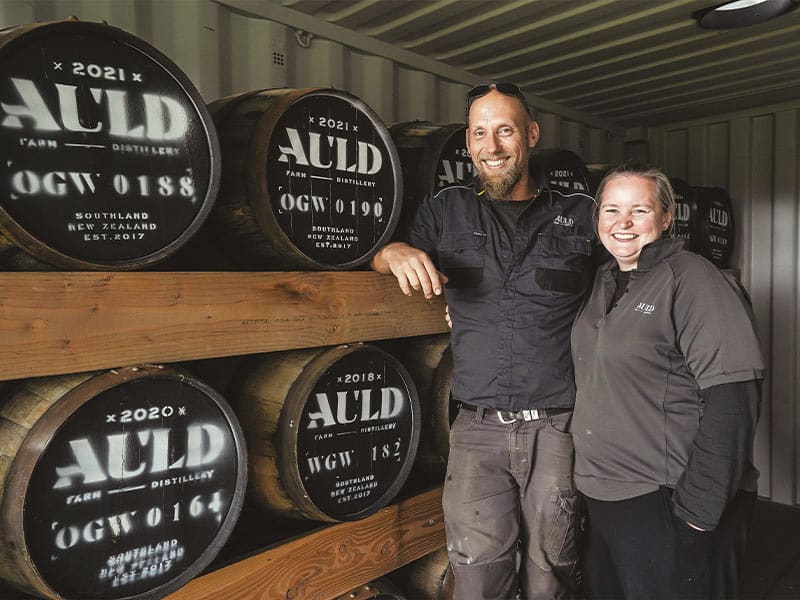
Family traditions are scored deep in the DNA of Robert Auld. He’s the third generation of Robert Auld at Broadlands farm in Southland, and the 14th generation to bear the name Robert Auld. So, family pride and legacy are clearly strong – and his three sons carry on this tradition through to the next generation.
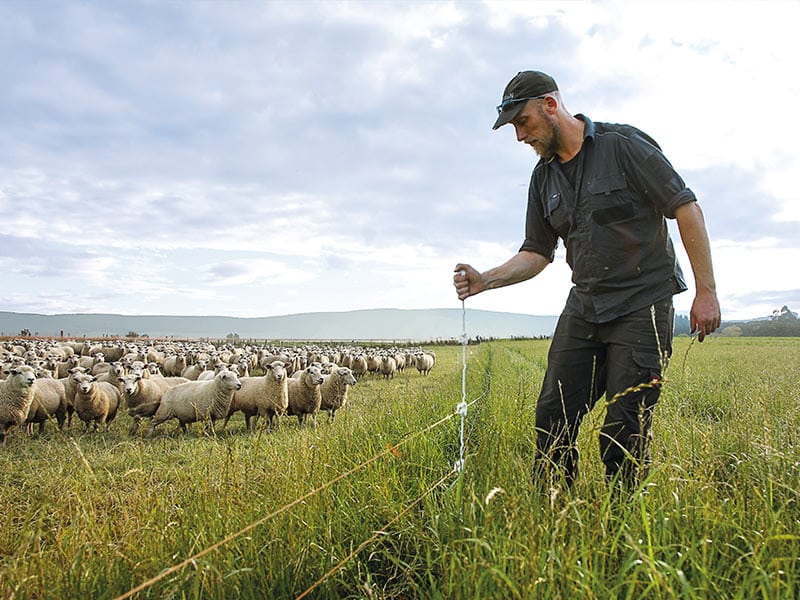
Widely known in the community as Rob (his grandfather was referred to as Bert, and his father as Wilton), he and wife Toni have invested more than 10 years into creating Auld Farm Distillery – a massive addition to the existing multi-generational focus around arable growing and mixed sheep on the 200ha property.
While they are finally beginning to reap the rewards (and the awards), this bold diversification has sorely tested both their resilience and mettle.
Since founding Auld Farm Distillery with the goal of combining grain from their paddocks and pure water from their own spring in the purpose-built onsite distillery, the constant drive has been to create a whisky that truly embodies their grain-to-glass philosophy.
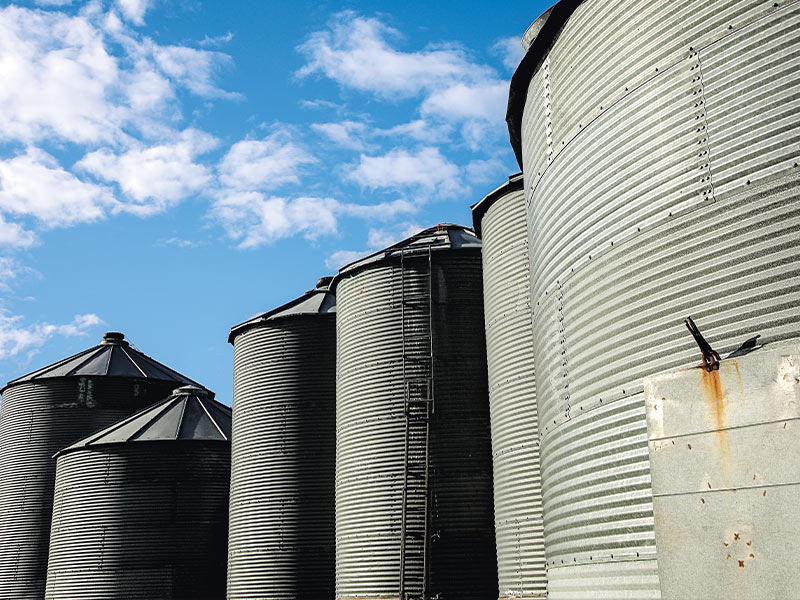
“The land here has been growing grain since 1883. It’s what this farm does best. With high rainfall, fertile soils and a reliable climate, Scotts Gap is perfect barley growing country,” says Rob.
Now a decade on and with their limited-edition Foundation Whisky Casks finally available, it’s tempting to score this as a success story. But with the stark honesty of a farmer, Rob is the first to admit that the journey has been brutal – the biggest challenge of their lives by far.
“Like a number of new ventures, you can do all the research and tick all the boxes, but until you’re in it, you don’t know what you don’t know,” he says.
That’s summing it up succinctly and glossing over some of the tougher times. And as a legacy farmer, Rob is all too aware of the need to grit your teeth and ride out the hard times.
The flip side of this challenging new venture is also the sense of accomplishment of helping futureproof Broadlands for his sons – and the generations beyond that.
“The Distillery and everything that’s part of this business gives the boys a whole new line of opportunity to explore. And of course, they don’t have to be part of the farm or the distillery, but we’ve just created an entire new business model and alongside that, no shortage of ideas for future expansion.”
All of the elements are firmly established, from the on-site distillery to the pure spring water coming from the land – an unexpected bonus that plays a crucial role in the whisky-making process.
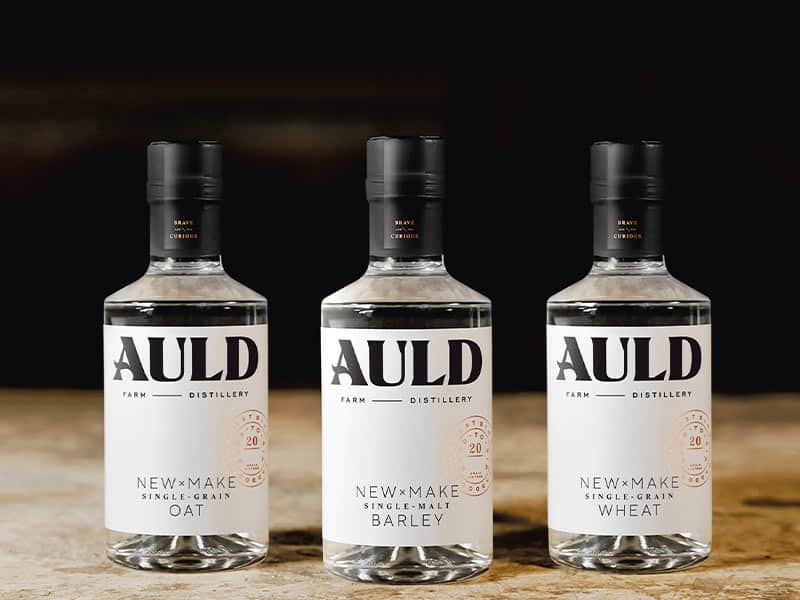
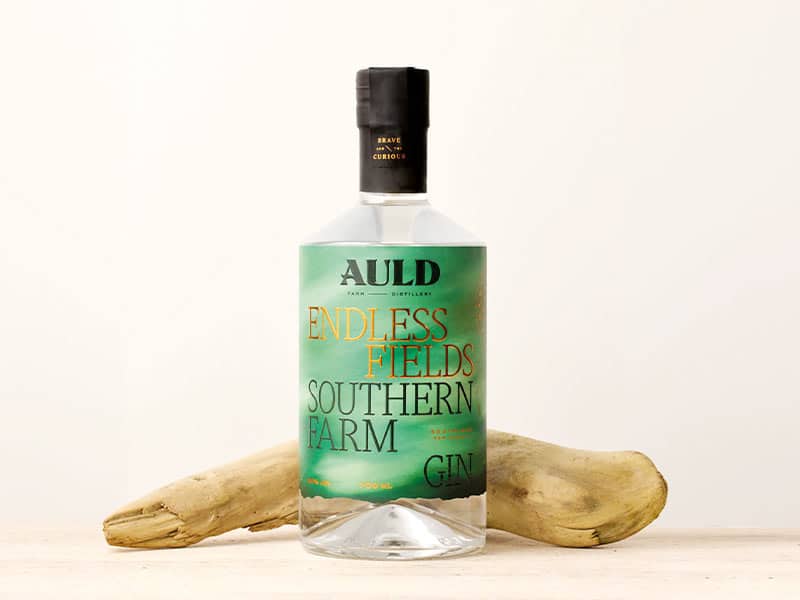
Auld Distillery’s offerings include single-malt whisky, single-grain whisky, terroir-driven gin, and a range of innovative spirits, all crafted with a deep respect for tradition and a passion for exploration.
From a concept of diversification that started as a kitchen bench idea in 2015, the evolution of Auld Distillery has rarely gone to plan. By 2021, they had become the third biggest producer in the country, which was never Rob and Toni’s intention.
“We just wanted to make the best products from our own grains on our own land,” says Rob.
“Part of that was also a desire to create something value-added from what our farm was already excelling in producing.”
These days nine different grains are grown on-site – malt barley as the primary grain for single malt production, alongside unique varieties like purple wheat and black barley.
“There’s certainly a challenge and thrill of experimenting with different grains to achieve distinctive whisky flavours,” says Rob.
“We respect tradition, but we’re not afraid to mess with it a bit.”
Growing Great Grain
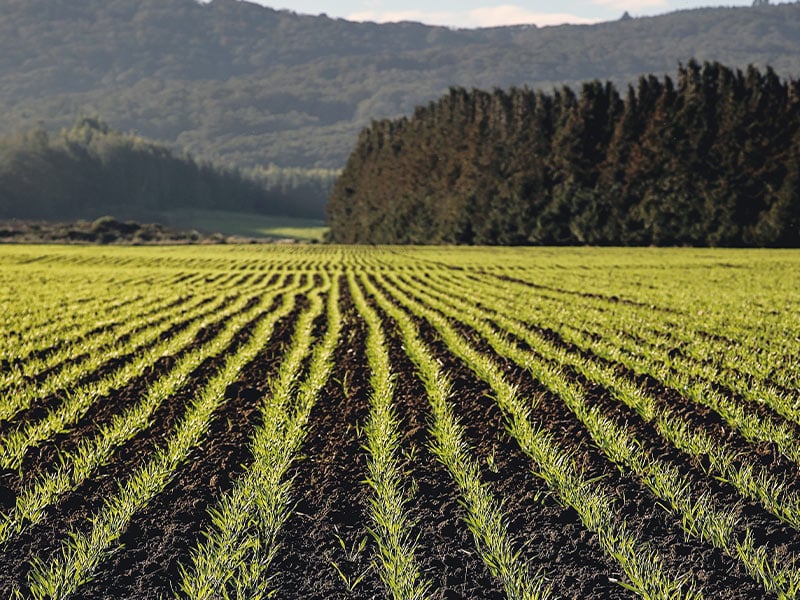
Grain has been at the heart of Broadlands since the first crop was planted in 1883. In between there have been some grain growing records, barley sold to a local whisky maker, and thousands of tonnes of grain leaving the property each year.
So being able to carve out a fresh future that involves a full circle solution for this historic grain adds an extra element of satisfaction.
“Mum and Dad passed on some really valuable lessons, and one of these was an understanding that we’re very much custodians of this land for our tenure,” shares Rob.
“When we talked to them about the fact that as a business, farming wasn’t working the way it used to and we wanted to change direction to help secure its future, they were actually really supportive and understanding.”
A relationship with Rabobank also proved crucial to being able to change direction and create a new business direction.
“We’re really fortunate that Rabobank really backed us – to the extent that they encouraged us to take part in their executive development programme.”
Rob admits that was a ‘mind blowing’ experience, given them a really deep understanding of what they’d need to do in order to make Auld Farm Distillery a success. Almost a year was spent fleshing out a detailed plan and researching the various aspects of creating a distillery – miles from anywhere and with absolutely no previous experience. Zip. Nada.
“Well, other than we knew we already grew amazing grain to produce award-winning whisky, and we loved to drink whisky – the bit in between was unknown!”
Rob admits there were other ideas in the mix before deciding on the distillery, including milking sheep, making cheese, stone mill flour, feed lotting stock, etc.
Fortunately for anyone who appreciates a fine whisky, this southernmost distillery in New Zealand is doing a fine job of creating a fresh family legacy.
It’s an intriguing blend of new direction, whilst also continuing the same seasonal farm tasks that have always been part of this century farm. While Rob and Toni have crafted an entire new business, the solid base on which the distillery is built owes much to the generations of work that made this land what it is – and what it yields.
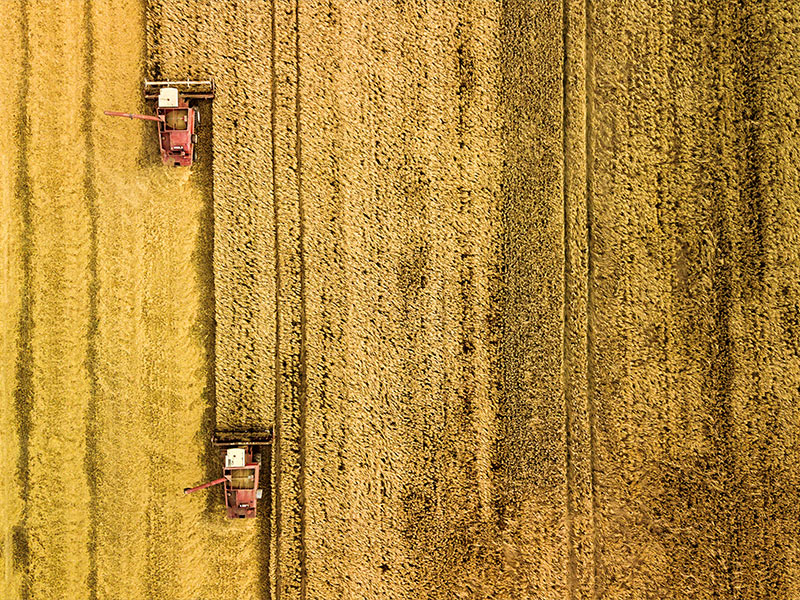
Like most Southland farms, there’s a strong connection to the machinery that farms this land. In this case – it’s an impressive fleet of International Harvester’s and Case IH tractors.
There’s scope for a future machinery museum here with such an array of gear – led by three International Axial Flow Combines (a mighty sight come harvesting time), and a red sea of IH tractors from the small IH354 and Ms, to Hydro 84 loaders and Hydro 100 tractors, 766 and 1066, to eight 1086 tractors, right through to today’s big workhorses – a pair of 300hp Magnums. Trucks, graders, dozers and diggers are also present alongside over a century of farm equipment.
Starting this collection was Grandad’s original purchase from July 1924; a Fordson, which was the first tractor in the district. This was followed by a McCormick 10-20 the following year.
“These two and the first three-legged M in 1939 are some of the only tractors we don’t still own but are hunting for!” says Rob.
The machinery represents the journey of Auld Farm – from those early models that helped shape the landscape (the original harrows, discs, ploughs and steel wheels from decades ago are still onsite), to the modern Precision Ag offerings that are helping ensure the farm’s future.
Distilling has also changed the way Rob farms. He’s no longer chasing big yields – he’s chasing flavour. That means sowing in autumn, letting the grains hibernate over winter, and harvesting in January. It’s farming with your taste buds. And it’s working.
As well as creating rich, flavourful spirits, an equally successful side of the business is its tours – from the seed-to-sip tour, to whisky or gin guided tastings and a private founders tour.
“We just wanted to try something new,” says Toni. “Now it’s a whole thing we could never have envisaged.”
Photos by Auld Farm Distillery
